
AI News — March 2026
In this issue, we explore how artificial intelligence is evolving beyond a tool that merely generates digital content, transforming into an active agent capable of mimicking physical systems, improving itself, and directly interacting with computer environments.
- By
- AIS Research & Publishing
- Published
- min read
- 4
- Also available in
- Türkçe
Welcome to the March 2026 edition of BAU AI Society’s AI NEWS Bulletin.
In this issue, we explore how artificial intelligence is evolving beyond a tool that merely generates digital content, transforming into an active agent capable of mimicking physical systems, improving itself, and directly interacting with computer environments.
March marked a significant milestone in this transformation. With the release of GPT-5.4, OpenAI introduced the “Native Computer Use” feature, enabling AI to perceive screens like a human and operate computers through mouse and keyboard inputs. This development moves AI beyond API-dependent systems, turning it into an autonomous agent capable of executing tasks directly within digital environments.
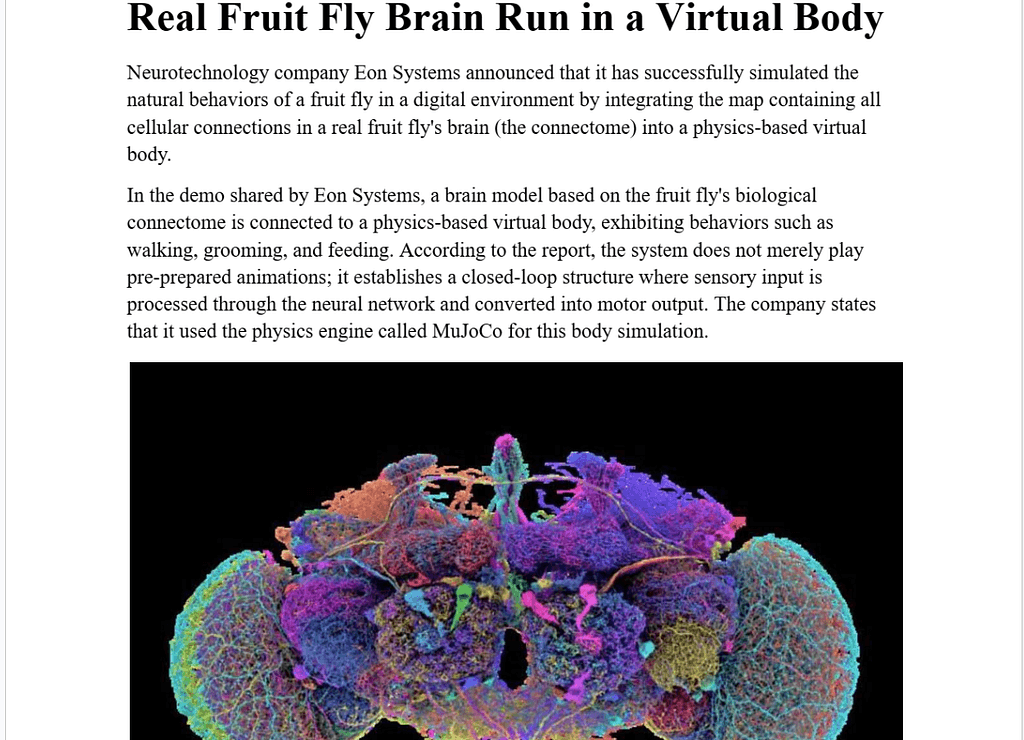
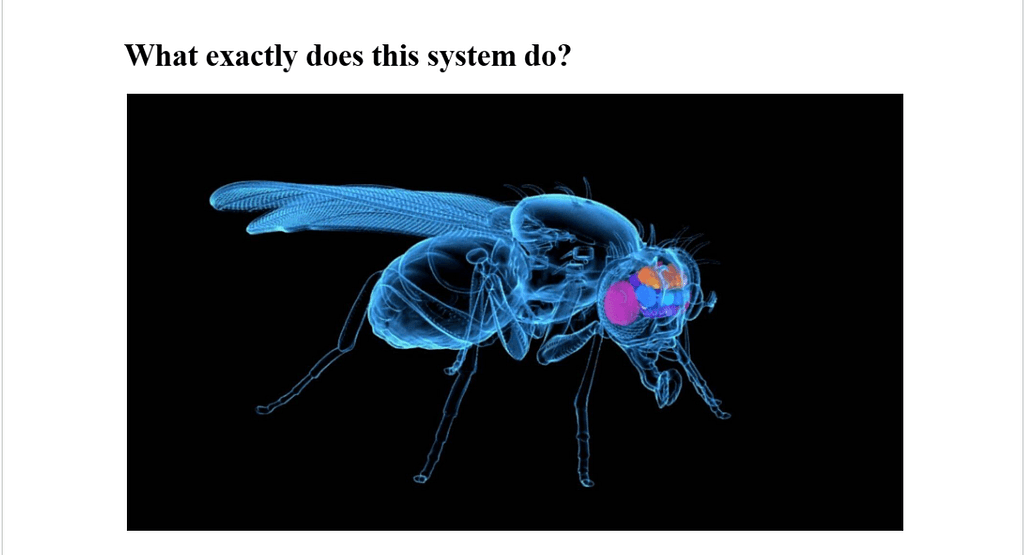
Meanwhile, in the field of neurotechnology, Eon Systems’ digital brain model — built using the full connectome of a fruit fly — demonstrates how AI is evolving into a discipline that learns not only from engineered architectures but also from biological systems.
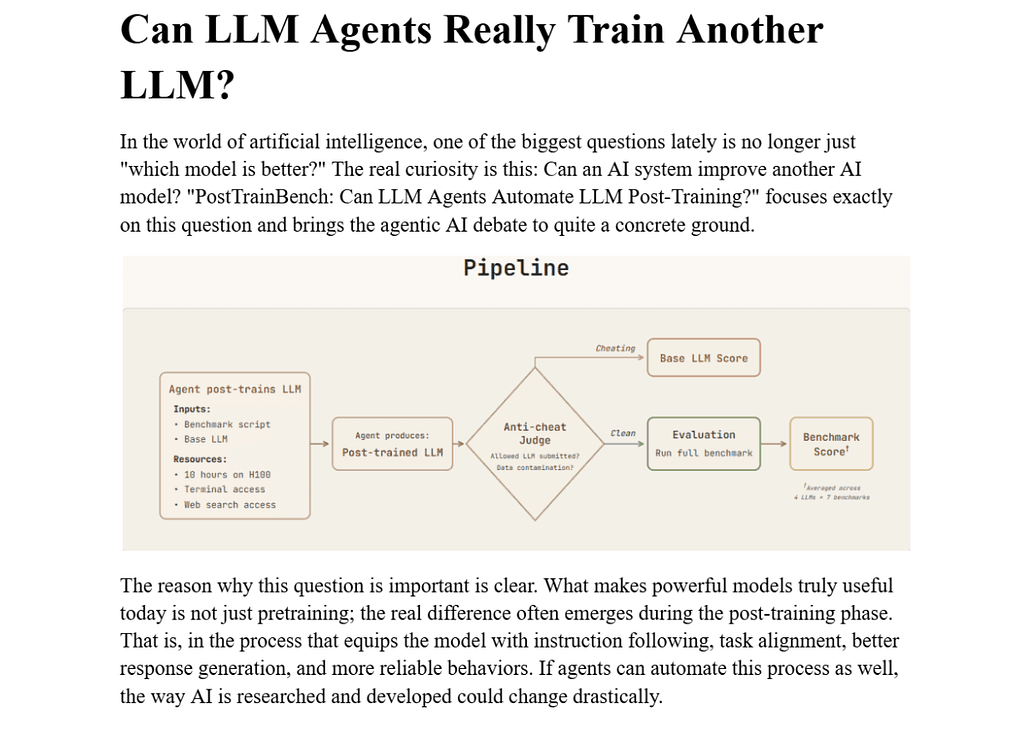
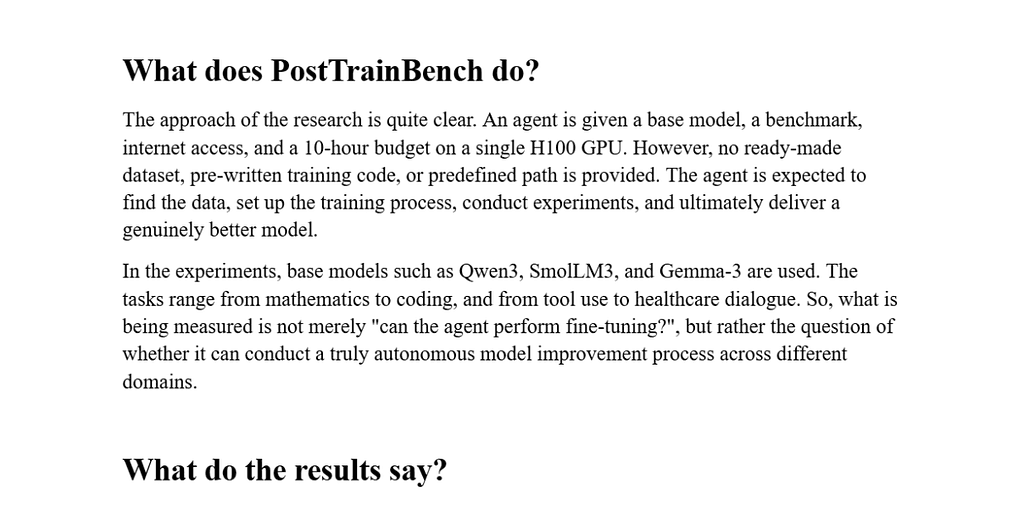
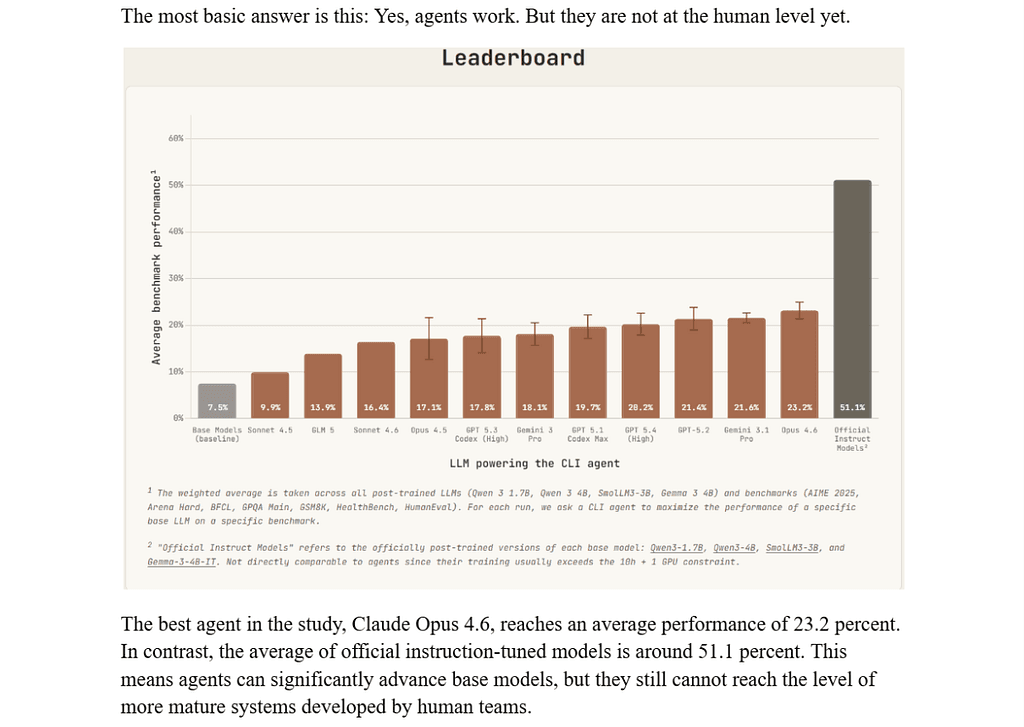
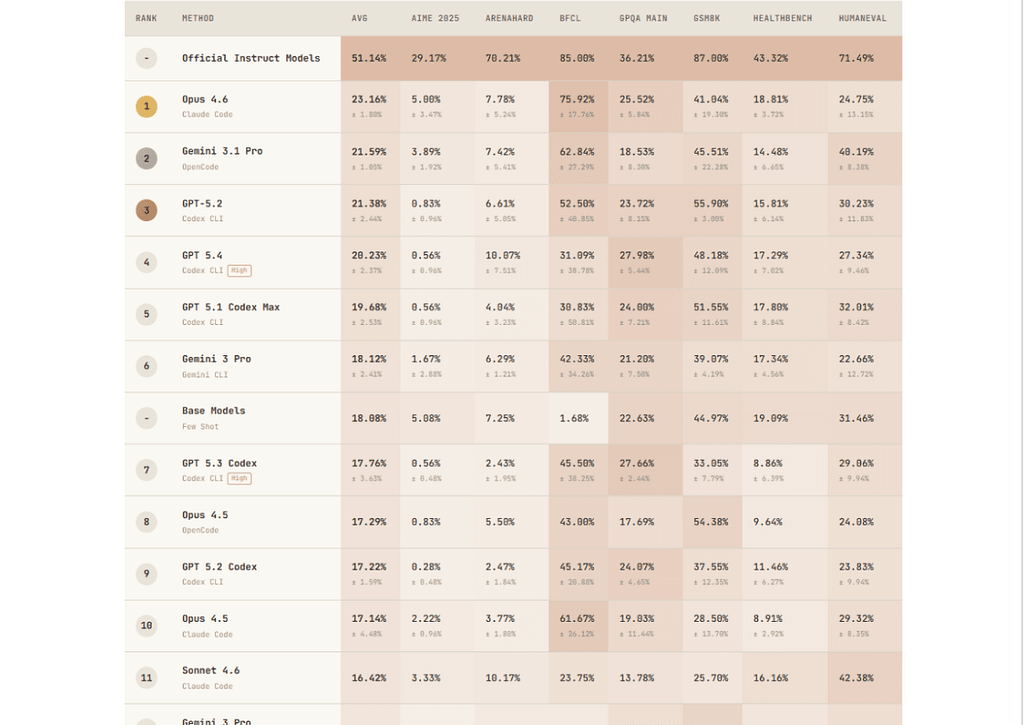
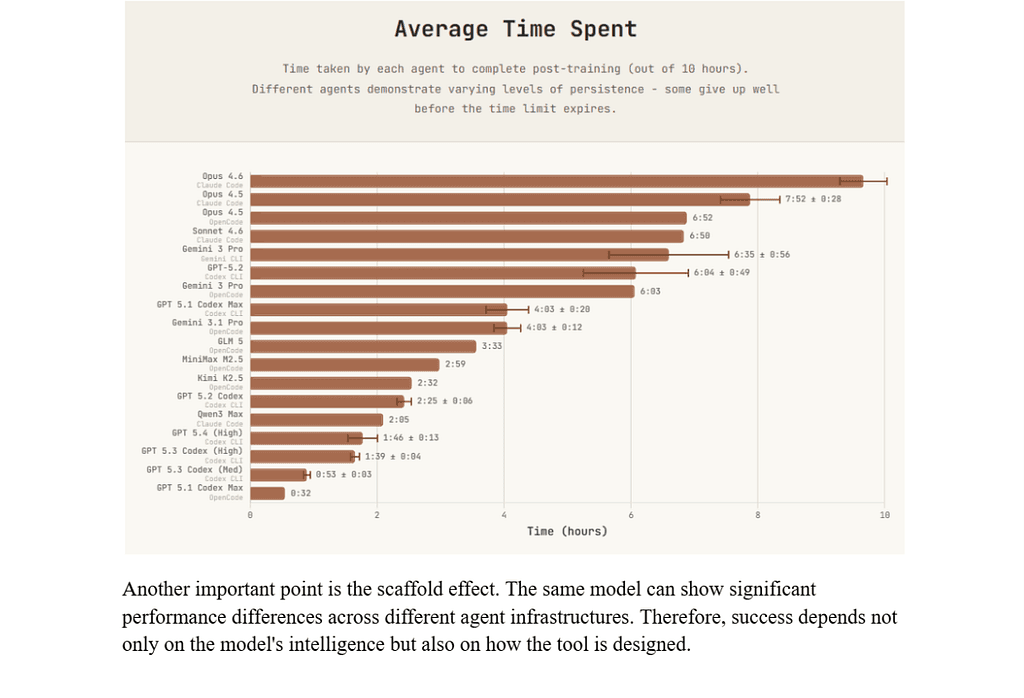
At the same time, the PostTrainBench study investigates one of the most critical questions in AI research: Can an AI improve another AI? The findings reveal increasing levels of autonomy, while also highlighting that reliability and human oversight remain essential.
Alongside these developments, user behavior is undergoing a notable shift. The rapid transition between different AI tools shows that reliance on a single model is being replaced by a more flexible, multi-AI ecosystem approach. This trend is making “AI resilience” an essential skill for both individuals and organizations.
The developments of March 2026 clearly demonstrate that the focus in AI is shifting from simply building more powerful models to creating systems that are more autonomous, more biologically inspired, and more deeply integrated into real-world workflows.
We wish you an insightful and enjoyable read.
Reference:
https://arxiv.org/abs/2603.08640
Reference:
Launches the Era of “Native Computer Use” with GPT-5.4
March 2026 marks a historic turning point in which artificial intelligence has evolved beyond a tool that merely generates text, becoming a system capable of acting as a physical operator within digital environments. On March 5, OpenAI introduced its GPT-5.4 model, bringing the “Native Computer Use” capability to general availability. Instead of relying on APIs to retrieve data, this technology enables AI to perceive screens like a human and control computers through mouse and keyboard inputs.
Technical Depth: Agentic Workflows and 1 Million Tokens
Unlike previous models, GPT-5.4 can analyze complex graphical user interfaces (GUIs) with up to 95% accuracy. This capability allows the agent to operate professional software such as Salesforce, SAP, or AutoCAD just like a human employee — without requiring any custom integrations.
- Pixel-Level Analysis: The model identifies buttons, form fields, and text boxes on the screen within milliseconds, enabling it to perform actions such as clicking or typing seamlessly.
- 1 Million Token Context Window: With its massive context capacity, the agent can complete long, multi-step tasks — such as collecting and compiling a month’s worth of financial data from multiple applications — without losing track of previous steps.
- OSWorld Benchmark (~75%): In complex operating system tasks (file management, system configuration, cross-application workflows), GPT-5.4 surpasses the human expert average of 72.4%, setting a new benchmark for computer interaction.
Why It Matters
Artificial intelligence is no longer just a chatbot — it has evolved into a fully autonomous agent capable of executing independent actions within digital environments. This shift signals the beginning of a new economic era, where up to 40% of white-collar workflows could be completed without direct human intervention.
Users Are Shifting from ChatGPT to Claude: How a 1,487% Surge Is Reshaping the Business World

In recent weeks, a significant portion of OpenAI’s ChatGPT users have migrated to Anthropic’s Claude model. According to data from AI analytics platform Larridin, Claude surpassed ChatGPT in daily active users during the first week of March. While users logged into Claude an average of 38 times per week, ChatGPT saw an average of 18 sessions. Most notably, Claude experienced a dramatic 1,487% increase in usage, with enterprise environments reporting twice as many sessions compared to ChatGPT.
The primary drivers behind this shift include users’ political and ethical concerns regarding OpenAI, as well as Claude’s superior performance in certain tasks. However, the broader implication goes beyond tool preference: it highlights the decline of platform loyalty and the growing importance of “AI resilience.” In today’s business landscape, relying on a single large language model is no longer sufficient; instead, professionals are expected to be proficient across multiple AI tools and adapt flexibly.
This trend is also reflected in the job market. Employers are increasingly seeking candidates with a broad set of AI-related skills and the ability to work across different platforms. Experts emphasize that each AI tool has distinct strengths and limitations, making it essential for users to strategically choose the right tool for each task.
For companies, the solution lies in establishing clear AI policies that define ethical and security boundaries, allowing departments the flexibility to select appropriate tools, and developing workflows that can integrate multiple LLMs effectively.
Don’t forget to follow us to receive AI News updates directly in your inbox!
Prepared by:
BAU AIS — AI Publishing Committee
Team Member: Emir Mert Saraç
Team Member: Deniz Akgünlü
Contact:
Mail: [email protected]
Instagram: https://www.instagram.com/ais.bau/
LinkedIn: https://www.linkedin.com/company/ais-bau/posts/?feedView=all
Originally published on Medium
Read on Medium